


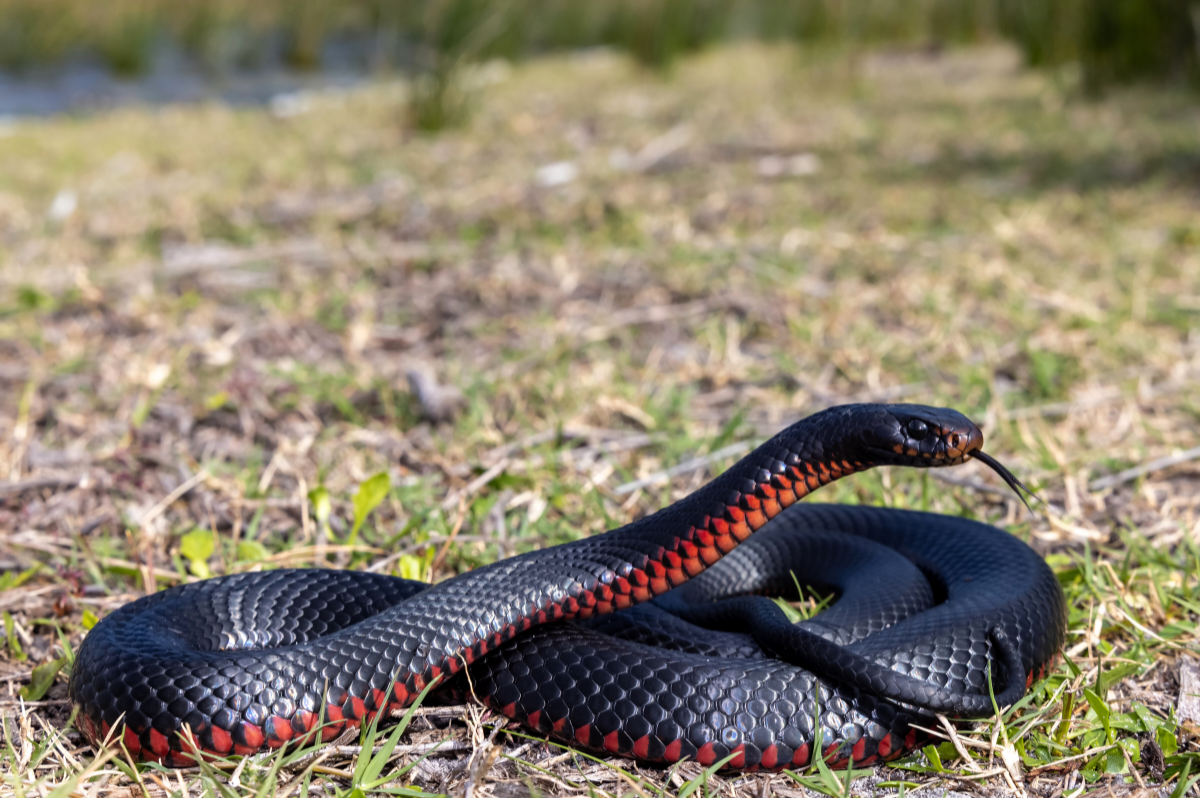
Snakes are among the animals many people fear most. Their appearance, movement and, in some cases, venomous bites make them creatures most people would rather avoid.
Yet snakes play important roles in the natural environment and contribute to human wellbeing in ways that are often overlooked. They help regulate wildlife populations, support farming ecosystems and have even contributed to the development of medicines.
In Ghana, where snakes may be encountered around farms, grasslands and rural settlements, understanding their place in nature is particularly important. Although people should never approach or handle them, snakes are not simply dangerous animals to be feared. They also perform functions that benefit the environment and, indirectly, people.
Here are seven reasons snakes are more important to humans than many people realise.
1. Snakes Help Control Rats and Mice
One of the most important contributions snakes make is controlling populations of rats and mice.
Many snake species feed on rodents, helping to prevent their numbers from growing unchecked. This natural form of pest control benefits farms, homes and other environments where rodents can cause problems.
Rats and mice can destroy stored food, damage property and spread diseases. By preying on them, snakes help limit some of the problems associated with large rodent populations.
Marjorie Bercier, an assistant professor at Tufts University’s Cummings School of Veterinary Medicine, described this role in an interview with Tufts Now.
“They do, essentially, natural pest control for us,” she said. “That is one of their biggest ecological roles.”
2. They Can Help Farmers Protect Crops and Food Supplies
The benefits of snakes extend beyond controlling rodents around homes. In agricultural areas, some species help reduce the number of animals that feed on crops and damage stored produce.
Rodents can eat newly planted seeds, destroy growing crops and contaminate harvested food. Their activities can increase the losses farmers experience before produce reaches the market or is stored for later use.
By hunting rodents in fields and surrounding habitats, snakes can help limit some of this damage. Their contribution is one example of how wildlife can support agriculture without farmers having to rely entirely on chemical pest-control methods.
This ecological role is particularly relevant in farming communities across Ghana, where protecting crops and stored food is important to household incomes and food security.
The World Health Organisation (WHO), in its Guidelines for the Prevention and Clinical Management of Snakebite in Africa, emphasises the wider ecological value of snakes:
“Although snakes are almost universally feared and even hated, their essential role in the balance of nature must not be forgotten.”
The guidelines explain that snakes protect crops and food stores by preying on rodents, which can also transmit potentially serious diseases to humans.
3. Snakes Provide Food for Other Animals
Snakes are predators, but they are also prey for other wildlife. Depending on their size and species, they may be eaten by birds of prey, mongooses, larger snakes and other animals.
This makes them an important link in the food chain. Their presence helps sustain predators, while their own feeding habits influence populations of smaller animals.
If snakes disappear from an ecosystem, animals that depend on them for food may also be affected. Their importance is therefore not limited to the creatures they hunt; they also help support other wildlife.
4. Snake Venom Has Contributed to Medical Research
Although snake venom can be dangerous, it contains complex compounds that scientists have studied for their potential medical applications.
One important example is captopril, a medicine used to treat high blood pressure and heart failure. Its development was influenced by research into peptides found in the venom of the Brazilian pit viper (Bothrops jararaca).
Researchers discovered that these peptides could inhibit angiotensin-converting enzyme (ACE), which plays a role in regulating blood pressure. This finding helped scientists develop captopril, a synthetic medicine designed to inhibit the enzyme and reduce blood pressure. The drug received approval in the United States in 1981.
A Tufts Now article notes that some scientists have described animal venom as “mini bio-libraries” because of the range of compounds they contain and their potential to help identify new medicines.
This does not mean snake venom can be used directly as a treatment. Rather, scientists isolate and study particular compounds under controlled conditions to understand whether they can be developed into medicines.
5. Snakes Help Maintain Biodiversity
Snakes contribute to biodiversity by helping regulate populations of the animals they eat and by serving as food for other wildlife.
Different species occupy different positions in the food web. Some feed on rodents, while others eat frogs, lizards, birds or other small animals. Their presence helps maintain relationships between predators and prey.
When a species disappears from an ecosystem, the effects can extend beyond that animal. Changes in prey populations may affect vegetation and other wildlife, while predators that depend on the missing species may also lose an important food source.
Protecting snakes is therefore part of protecting the wider variety of life within an environment.
6. Snake Populations Can Help Scientists Monitor Environmental Changes
Snakes can also provide useful information about the condition of the environments in which they live.
Scientists study their distribution, numbers and behaviour to understand changes in habitats and wildlife populations. A decline in certain species may prompt investigations into habitat destruction, pollution, climate change or reductions in available prey.
Because snakes depend on suitable habitats and food sources to survive, changes affecting them can reveal wider environmental pressures.
Research into snake populations can therefore help scientists understand how ecosystems are changing and identify threats that may affect other species as well.
7. Some Snakes Help Control Other Pests
Rodents are not the only pests that snakes eat.
Depending on the species, some smaller snakes also feed on other invertebrates, including spiders, cockroaches and termites. These creatures can become a nuisance around homes and businesses, while some can damage property or stored materials.
Bercier told Tufts Now that certain smaller snake species consume some of these pests, extending their contribution to natural pest control beyond rats and mice.
However, snake diets vary considerably. Not every species eats the same prey, and the role each snake plays depends on its size, species and habitat.
Why People Should Still Be Careful Around Snakes
Recognising the importance of snakes does not mean people should approach or handle them. Some species are venomous, and snakebite remains a serious public health problem, particularly in rural communities where access to medical care may be limited.
The WHO estimates that about 5.4 million people are bitten by snakes worldwide each year, with between 1.8 million and 2.7 million cases of envenoming. Snakebites can cause paralysis, serious bleeding, kidney failure and tissue damage that may lead to permanent disability.
Anyone who encounters a snake should keep a safe distance and prevent children and pets from approaching it. People should not attempt to catch, handle or kill the animal. Where necessary, they should contact trained wildlife handlers or the appropriate authorities.
Anyone bitten by a snake should seek medical attention immediately. Cutting the wound, attempting to suck out venom or applying a tight tourniquet are dangerous practices and should be avoided.
Snakes may be among the animals people least want to encounter, but their contribution to human life and the natural environment should not be underestimated. From controlling rodents and helping farmers protect their crops to supporting food chains and contributing to medical research, they perform important roles that are easy to overlook.
As Bercier told Tufts Now: “They are a really important species to have in our ecosystem. They have a vital role to play.”
Understanding their importance does not mean taking unnecessary risks around them. It means recognising that snakes have a place in nature and deserve protection in their natural habitats.

