


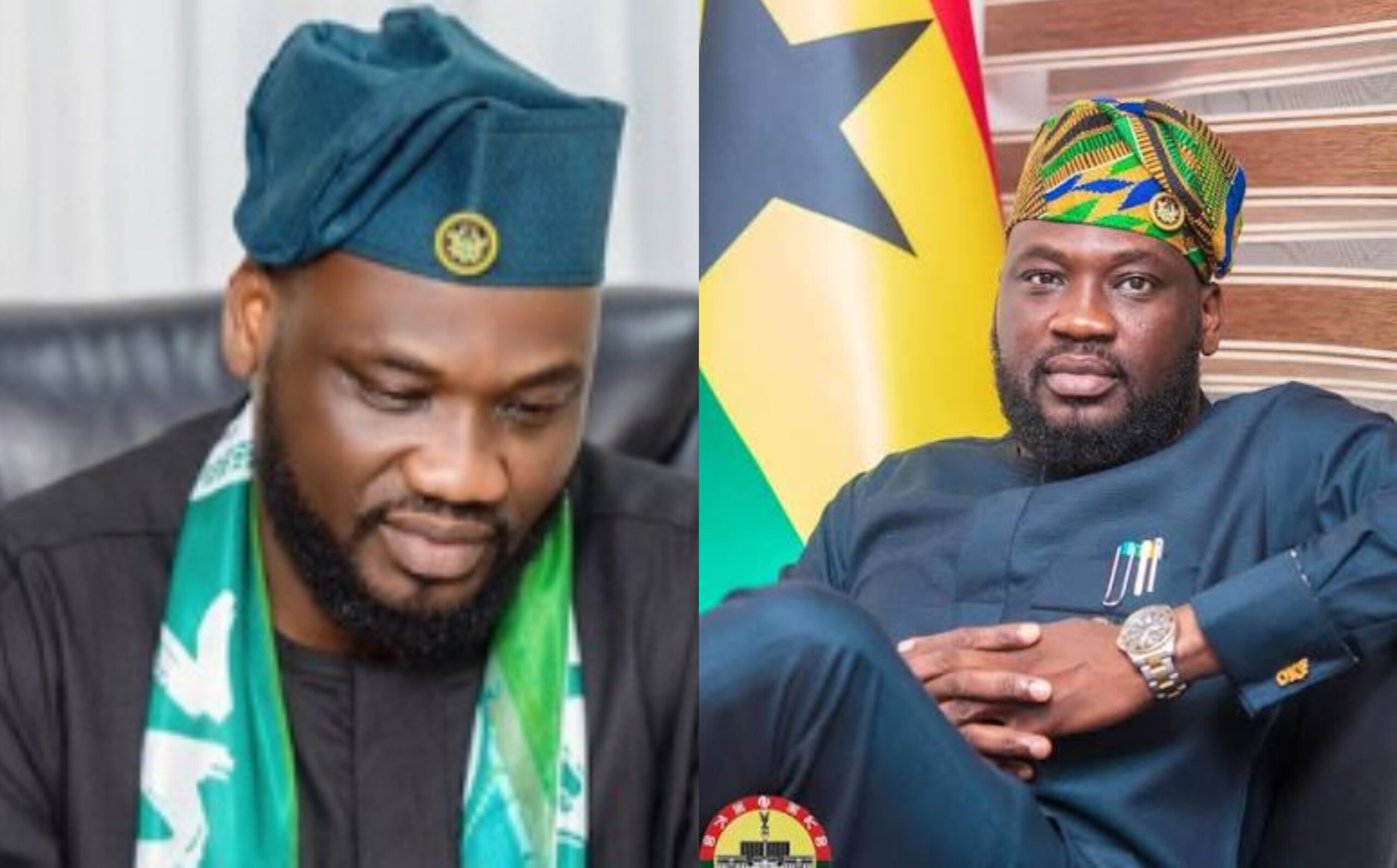
The prolonged detention of Asante Akim North MP Ohene Kwame Frimpong in the Netherlands has raised questions about whether he could lose his seat in Parliament because of his absence from sittings.
His lawyer, Elvis Adu-Ameyaw, argues that the MP should not be punished for missing parliamentary proceedings because his detention is beyond his control. He also says Parliament has granted him leave of absence.
“There is a phrase in it which says that if there is no reasonable explanation. Parliament has granted him leave of absence, and in any case, the reason why our honourable member of Parliament is unable to attend sittings is beyond his control,” Adu-Ameyaw told JoyNews.
The central issue, however, is what the Constitution requires and whether the circumstances of Frimpong’s detention satisfy the legal test for a reasonable explanation.
What Article 97 Says About Absence From Parliament
Article 97(1)(c) of Ghana’s 1992 Constitution provides that an MP shall vacate their seat if they are absent, without the Speaker’s written permission, from 15 sittings of a meeting of Parliament during a period when Parliament has been summoned to meet and continues to meet, and are unable to offer a reasonable explanation to the Parliamentary Committee on Privileges.
The provision does not mean that missing 15 sittings automatically results in the loss of a parliamentary seat.
It identifies two central issues: whether the MP had the Speaker’s written permission to be absent and, where that permission was not obtained, whether the MP can provide a reasonable explanation to the Committee on Privileges.
The circumstances surrounding Frimpong’s detention therefore matter. His lawyer’s argument is that the MP cannot attend sittings because he is being held by Dutch authorities, rather than because he has chosen to stay away from Parliament.
How the MP Was Arrested
Frimpong was arrested at Amsterdam’s Schiphol Airport on May 10, 2026, after arriving from Accra aboard a KLM flight.
According to Citi Newsroom’s account, Dutch security officials boarded the aircraft shortly after it landed, identified him and took him into custody.
Other reports say the Ashanti Regional Minister, Dr Frank Amoakohene, and some other political figures were travelling on the same flight.
Majority Chief Whip Rockson-Nelson Dafeamekpor subsequently clarified that Frimpong was travelling to the United Kingdom on a private visit, not an official parliamentary assignment.
“The Honourable Member was on a private visit to the United Kingdom. He has a family there — his wife and children live in London, and he does frequent the UK,” Dafeamekpor told MyJoyOnline.
He also confirmed that the MP was travelling on a diplomatic passport. The use of that passport, however, does not by itself establish that the trip was official parliamentary business.
The distinction is important. Frimpong’s journey was a private trip, but his subsequent detention and inability to return to Ghana were not part of the planned visit.
Parliament confirmed his detention in a statement on May 12, 2026, signed by Clerk to Parliament Ebenezer Ahumah Djietror. The statement said parliamentary leadership was engaging Ghana’s diplomatic mission in The Hague over the matter.
What Parliament’s Standing Orders Require
Parliament’s 2023 Standing Orders provide further guidance on how members are expected to account for their absence.
Order 15 states that an MP must attend sittings unless the Speaker grants leave of absence in writing. It also sets out a procedure for applying for leave, including the submission of a completed form through the member’s Chief Whip and the recording of the Speaker’s decision in the Votes and Proceedings.
Order 16 addresses absence without leave. It provides for the Speaker to refer a member’s conduct to the Committee of Privileges and Immunities where the member is absent for 15 sittings without written permission.
The Committee then considers whether the member can offer a reasonable explanation. Under Order 16(3), the Committee informs the House if the member cannot provide a reasonable explanation, after which the House decides whether the member should vacate the seat.
Adu-Ameyaw’s assertion that Parliament has granted Frimpong leave is therefore significant. However, the Speaker’s written decision and the relevant entry in the Votes and Proceedings have not been independently established in the information available for this report.
The lawyer’s statement should consequently be distinguished from confirmation of the formal parliamentary record.
The Legal Question Is Not Entirely New
Parliament has previously considered the constitutional provision in cases involving prolonged absence by MPs.
In 2022, its Committee of Privileges examined the absences of former MPs Sarah Adwoa Safo, Henry Quartey and Kennedy Ohene Agyapong.
The report referred to the Court of Appeal’s December 2008 decision in Professor Stephen Kwaku Asare v Attorney-General and three others. It noted that the 15-sitting threshold does not have to involve consecutive sittings.
The report also discussed the court’s interpretation of the constitutional provision, including the suggestion that a seat could become vacant by operation of law where the constitutional conditions are met and the member cannot provide a reasonable explanation.
This makes the question of reasonable explanation particularly important in Frimpong’s case. The Committee would have to consider the circumstances of his absence and the applicable constitutional and parliamentary requirements rather than treating the number of missed sittings as the only consideration.
His Extradition Does Not Resolve the Parliamentary Question
Frimpong’s detention is linked to a United States request for his extradition over allegations involving romance scams and money laundering. He has denied wrongdoing, and the allegations have not been determined by a criminal court.
On November 17, Adu-Ameyaw said his client had agreed not to challenge the extradition request in the Netherlands.
“What that means is that we are not going to challenge the legal basis of his extradition to the United States of America in court,” the lawyer said.
Following the November 18 proceedings, the lawyer confirmed that the Amsterdam court had ordered Frimpong’s extradition to the United States. His decision not to contest the request does not amount to an admission of guilt or a conviction on the allegations.
The extradition proceedings and the question of his parliamentary seat are separate legal matters. The outcome of the former does not, by itself, determine whether the conditions under Article 97(1)(c) have been met.
Former Asante Akim North MP Andy Appiah-Kubi urged the public not to rush to conclusions over the allegations against Frimpong.
“International law does not allow anyone to be condemned without being allowed to be heard. He remains innocent until proven guilty, and we expect due process to be followed before any conclusions are drawn,” he told Citi News.
For Parliament, the immediate constitutional question is whether Frimpong had written permission to be absent and, if not, whether his detention provides a reasonable explanation under Article 97(1)(c).
His lawyer maintains that the circumstances are beyond the MP’s control. Whether the formal parliamentary records support the claim of leave, and how the relevant parliamentary authorities assess the explanation, remain central to determining the status of his seat.

