


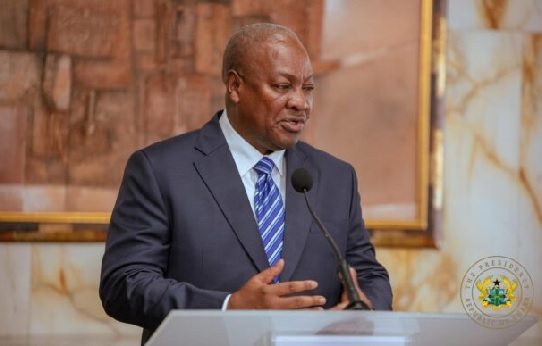
Ghanaians could vote in a national referendum on whether the President, ministers, Members of Parliament and Superior Court justices should have their salaries, allowances and benefits determined under a new public sector pay system.
The proposal is part of the Government’s plan to transform the Fair Wages and Salaries Commission (FWSC) into the Independent Public Emoluments Commission (IPEC), as outlined in the 2027 Budget Statement presented by Finance Minister Cassiel Ato Forson to Parliament on November 12, 2026.
The reform is intended to address disparities in public sector remuneration and establish a more independent system for determining salaries, allowances and other benefits.
The transition is expected to take place over two years, covering 2027 and 2028. A key part of the process will be a referendum on whether public officeholders covered by Article 71 of the Constitution should also come under IPEC.
Why Is Ghana Establishing a New Pay Commission?
The Single Spine Pay Policy was introduced in 2010 to promote equal pay for work of equal value across Ghana’s public service.
However, the Government says the system has gradually become less effective because of additional allowances, special salary arrangements and exemptions for some institutions.
This has created differences in the total remuneration received by workers with similar qualifications and responsibilities.
The 2027 Budget Statement acknowledged the problem, stating: “Today, two public service workers with similar qualifications, doing similar work, can take home very different pay simply because of where they work.”
The Government also identified concerns about the independence of the FWSC, saying it had been exposed to political and administrative pressure.
It believes a new institution with greater authority and independence is needed to regulate public sector pay and address these disparities.
How Will the New Independent Public Emoluments Commission Work?
The Government has outlined a two-year transition period, covering 2027 and 2028, to establish and operationalise IPEC.
The process will involve four main phases.
First, the Government will submit the IPEC Bill to Parliament in 2027. The proposed law will cover public institutions and state-owned enterprises.
Second, it will pursue constitutional amendments to make IPEC a constitutional body, with the aim of protecting its independence.
Third, Ghanaians will decide through a national referendum whether Article 71 officeholders should also come under the commission.
The fourth phase will involve introducing four policies to guide the new system:
- A National Public Sector Emoluments Policy to establish rules for determining public sector pay.
- A National Negotiations Policy to make salary negotiations more orderly and evidence-based.
- A Performance-Based Pay Policy to link remuneration to results.
- An Allowances and Benefits Framework to address disparities in additional payments.
The Government says the reforms will align remuneration with productivity, the cost of living, institutional performance and what the country can afford.
Which Public Officials Will Be Affected by the Referendum?
The proposed referendum will concern officeholders covered by Article 71 of Ghana’s 1992 Constitution.
They include the President, ministers of state, Members of Parliament and justices of the Superior Courts.
Their remuneration is currently determined under a separate constitutional arrangement.
The referendum will ask Ghanaians whether these officeholders should also come under the proposed IPEC system. It will not be a direct vote on the specific salaries or allowances they should receive.
The 2027 Budget Statement does not specify a date for the proposed referendum.
Will the New Pay System Affect Public-Sector Workers’ Salaries?
The Government has said the transition will not amount to a freeze on public sector wages.
In the Budget Statement, it assured workers: “This is not a wage freeze. Existing lawful obligations will be honoured. Established negotiation processes will continue.”
However, it plans to exercise restraint in approving new allowances, special salary structures and wholesale reviews of conditions of service that could undermine the reform.
Separately, the 2027–2028 agreement between the Government and Organised Labour provides for a 9 per cent increase in total remuneration for workers on the Single Spine Salary Structure in 2027. This comprises an 8 per cent increase in base pay and one percentage point allocated to conditions of service.
For 2028, the agreement provides for a 10 per cent increase in base pay.
When Will the New Pay Commission Begin Operating?
The Government intends to establish and operationalise IPEC during the 2027–2028 transition period.
However, the change will require legislation, constitutional amendments and institutional restructuring. The FWSC will continue performing its lawful functions until any transfer of responsibilities to IPEC takes legal effect.
The Government says the new commission will provide an independent framework for addressing longstanding disparities in public sector remuneration.

