

Ghana’s newly introduced TraffiTech-GH speed enforcement system is raising questions about responsibility for traffic fines when vehicles are caught violating road regulations while being driven by people other than their registered owners.
The concerns have emerged from social media posts by vehicle owners and other motorists who fear they could face financial penalties for offences committed by people to whom they lend or rent their vehicles.
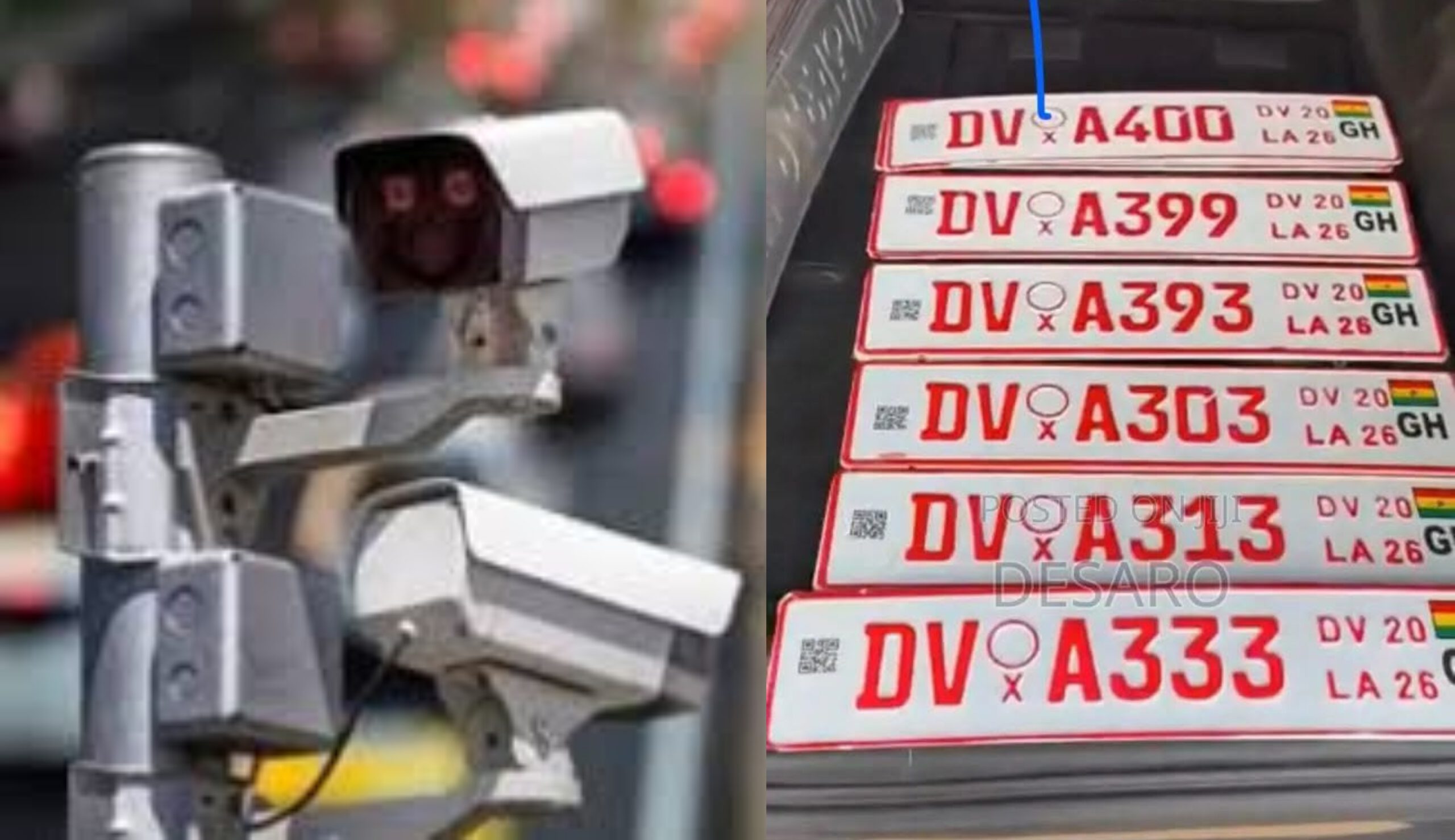
In one post, Facebook user Joe Anim claimed that renting out dealer number plates had become a difficult business since the introduction of TraffiTech-GH.
He alleged that one dealer had received four tickets involving a single number plate in one day, while the driver responsible for the violations continued driving.
“The driver is cruising freely, while the dealer is collecting fines,” he wrote.
The allegation, which has not been independently verified, raises questions about the exposure of vehicle owners and dealers when other people use their vehicles.
NIA CEO Questions Lending Out Vehicles
Wisdom Yayra Koku Deku, Chief Executive Officer of the National Identification Authority (NIA), has also expressed concern about the implications of the system for people who lend their vehicles to others.
Sharing Joe Anim’s post, Deku wrote:
“Now you can’t give your car out to a friend. I can’t give my car out for free and be paying fines.”
His comments highlight a potential challenge for car rental operators, whose businesses depend on allowing customers to use vehicles registered to the companies or individuals providing them.
If a vehicle is captured speeding while in a customer’s possession, the registered owner could face the task of establishing who was driving and determining whether responsibility for the penalty can be transferred or contested. For operators managing several vehicles, uncertainty over the process could create additional administrative demands and disputes with customers.
However, the extent of the potential impact on the industry will depend on the procedures the authorities establish for handling offences involving vehicles driven by people other than their registered owners.
How TraffiTech-GH Works
The Motor Traffic and Transport Department (MTTD) introduced the TraffiTech-GH system on November 1, 2026, with its initial phase focusing on speeding offences.
The technology uses cameras to capture traffic violations and supports the issuance of electronic notices to vehicle owners. The system is expected to expand to cover other offences, including red-light violations and wrong-way parking.
President John Dramani Mahama has defended the initiative against calls for the government to address road infrastructure challenges before introducing speed camera enforcement.
Speaking ahead of the 2026 Commonwealth Heads of Government Meeting in Antigua, he argued that road safety measures should not be delayed until every road meets the desired standard.
“I hear they say we should fix the roads before we introduce TraffiTech. It does not work like that. I mean, the roads are not perfect in the UK, yet they have speed cameras,” he said.
The President has also argued that speed cameras are necessary to discourage dangerous driving and protect vulnerable road users, particularly schoolchildren.
Who Pays When Someone Else Is Driving?
The concerns surrounding TraffiTech-GH extend beyond the debate over road infrastructure to the practical question of how responsibility for an offence is determined when the registered owner is not behind the wheel.
Chief Inspector Frempong Ayeh has cautioned motorists against disputing traffic violations without grounds, warning that those who contact the TraffiTech call centre to challenge a ticket could face an additional fine if investigations establish that they committed the offence.
“If you call the Traffitech call centre after receiving a ticket to dispute the violation, and investigations establish that you indeed breached road traffic regulations, you will receive an additional fine,” he said.
His warning addresses motorists who challenge tickets but are subsequently found to have committed the violations. It does not, however, explain how registered owners can respond when offences are recorded while their vehicles are being driven by other people.
For car rental operators and individual vehicle owners, the distinction is important. They need to know whether they can identify the actual driver, redirect responsibility where permitted and challenge penalties issued for offences they did not personally commit.
As TraffiTech-GH expands, the authorities’ procedures for dealing with such cases will be important in determining how the system affects people and businesses that regularly make vehicles available to other drivers.