


ECOWAS member states have agreed on a roadmap towards deploying a regional Anti-Terrorism Force by December 2027, as West African countries seek a stronger collective response to terrorism, violent extremism and cross-border security threats.
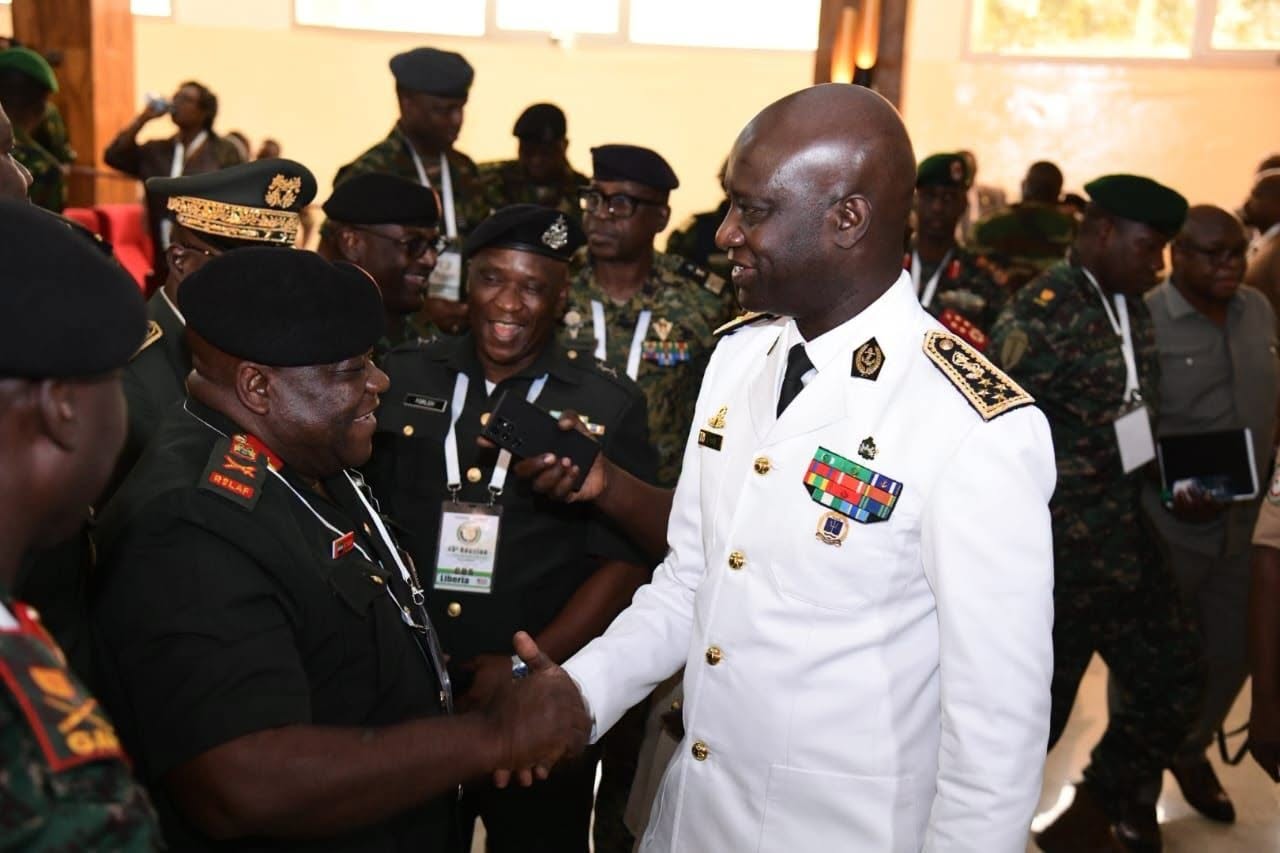
The agreement was reached at the 45th Ordinary Meeting of the ECOWAS Committee of Chiefs of Defence Staff (CCDS), held in Dakar, Senegal, from November 17 to 19, 2026.
Announcing the outcome on Monday, November 23, ECOWAS said the meeting had advanced efforts to strengthen the region’s security architecture.
“Member States [have] reached an agreement on a roadmap to advance the operationalization and deployment of the ECOWAS Anti-Terrorism Force by December 2027,” the regional bloc said in a statement shared on Facebook.
The meeting brought together military leaders from ECOWAS member states to assess the security situation and discuss ways to improve cooperation against terrorism, transnational organised crime and maritime insecurity.
The proposed force is expected to give member states a more coordinated way of responding to threats that increasingly extend beyond national borders.
What Is the ECOWAS Anti-Terrorism Force?
The proposed force, also known as the Regional Counter-Terrorism Brigade, is part of ECOWAS’ wider security framework.
Its purpose is to strengthen the military capabilities of member states through closer coordination, shared resources and a collective response to terrorist threats.
The initiative comes as extremist groups continue to operate across parts of the Sahel, with attacks and insecurity affecting communities, military personnel and livelihoods.
At the opening of the Dakar meeting, Senegal’s Minister for the Armed Forces, Yankhoba Diémé, called for stronger cooperation among member states.
He said West African countries must “strengthen their cooperation and act with greater coherence and determination” in response to the region’s security challenges.
Beyond terrorism, the meeting also considered transnational crime, illicit trafficking and maritime insecurity, highlighting the range of threats facing the region.
Funding and Equipment Remain Key Challenges
Agreeing on a deployment roadmap is an important step, but the force will need more than political support to become operational.
ECOWAS has identified funding, equipment and the establishment of a command post as key requirements for the Regional Counter-Terrorism Brigade.
The force’s incoming chair, Senegal’s Vice-Admiral Oumar Wade, identified its operational readiness as a priority and called for strategic decisions to be translated into practical results.
ECOWAS said the brigade’s operational framework is expected to be established by July 2027, ahead of the December deployment target.
The outstanding requirements raise important questions about how the force will be financed, equipped and commanded, as well as how member states will share responsibility for its operations.
Without reliable funding and the necessary logistical support, the December 2027 target could prove difficult to achieve.
Why Regional Cooperation Matters
The security situation in the Sahel makes regional cooperation particularly important.
Mali, Burkina Faso and Niger have experienced prolonged extremist violence. The three countries formally withdrew from ECOWAS in January 2025 and subsequently strengthened their cooperation through the Alliance of Sahel States (AES).
Their departure creates an additional challenge for regional security coordination because armed groups operate across borders, while the countries facing some of the most severe threats are now outside the ECOWAS bloc.
This does not make cooperation impossible, but it underlines the importance of coordination between ECOWAS members and their neighbours.
A regional force will need effective intelligence-sharing and practical cooperation if it is to respond to threats that move across national boundaries.
What the Plan Means for Ghana
For Ghana, the proposed force could strengthen regional efforts to prevent extremist violence from spreading further towards coastal West Africa.
The country’s northern borders place it close to the Sahel, where militant activity has raised security concerns for neighbouring states.
Closer military cooperation could support intelligence-sharing, border security and coordinated responses to emerging threats.
However, ECOWAS has not yet announced Ghana’s specific troop contribution or the final location and command arrangements for the force.
The December 2027 target is therefore an important development, but the real test will be whether member states can provide the funding, equipment and cooperation needed to turn the roadmap into an effective military capability.

