


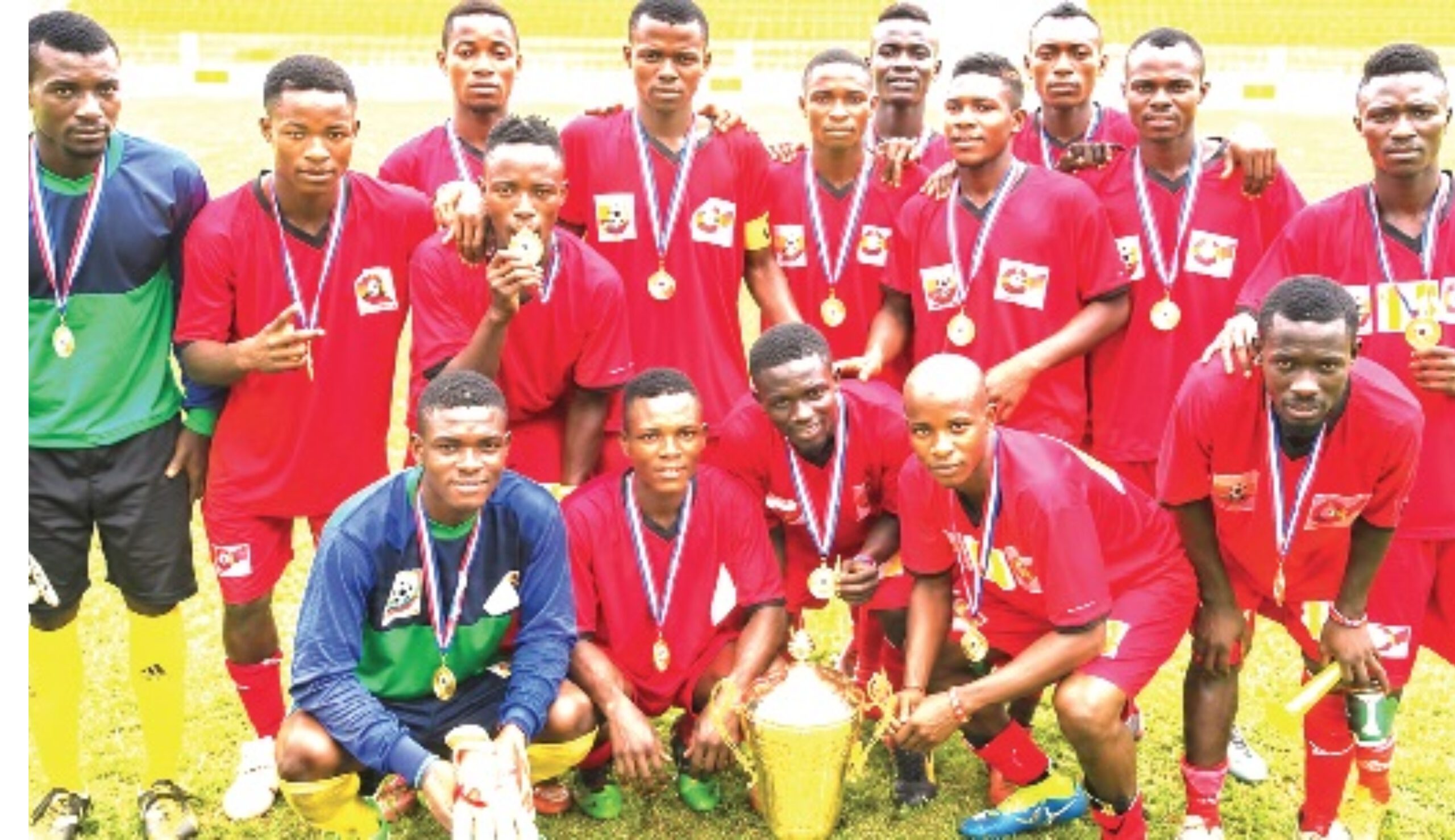
Ghana’s deaf football team, the Black Wonders, could miss an important opportunity to test their progress against other African teams, develop their technical capacity and build on previous international achievements if they fail to secure funding for the 2026 Deaf Africa Cup of Nations (DAFCON).
The Ghana Deaf Football Association (GDFA) is seeking GH¢1,225,500 and US$105,451 to facilitate the country’s participation in the competition, scheduled to take place in Ethiopia from November 30 to December 13, 2026.
GFA Reveals It Relied on One 18-Year-Old Bus to Serve Ghana’s 20 National Teams
The funding request, made through the National Sports Authority (NSA) to the Ministry of Sports and Recreation, is expected to cover the participation of a 32-member contingent comprising 24 players and eight officials.
The Black Wonders have been drawn in Group D alongside Mali, Kenya and Zanzibar.
However, the association’s reported difficulty in securing financial support has raised concerns about whether Ghana will be able to participate.
Beyond missing the tournament itself, the consequences could extend to the development of the players, the technical team and the visibility of deaf football in Ghana.
Here are five things Ghana could lose if the Black Wonders fail to make the trip.
1. An Opportunity to Measure Ghana’s Strength Against African Opponents
The competition would give the Black Wonders an opportunity to assess their progress against other national deaf football teams on the continent.
Drawn alongside Mali, Kenya and Zanzibar, Ghana would face opponents with different playing styles and levels of competitive experience.
For the players, the matches could provide valuable exposure, help identify weaknesses and give the technical team a clearer picture of the areas requiring improvement.
Missing the tournament would deny the team that opportunity to test itself in a continental competition.
The GDFA has also described the tournament as an important step towards improving Ghana’s continental standing and strengthening its international competitiveness.
Semenyo, Yirenkyi and Black Stars Earn Three Nominations at 2026 CAF Awards
However, the International Committee of Sports for the Deaf (ICSD) says only officially sanctioned competitions count towards its world rankings and championship qualification. Its published qualification system lists the African Deaf Football Championship as a route to the 2027 World Deaf Football Championships, but the available ICSD records do not independently confirm that the Ethiopia DAFCON is the recognised qualifying event.
2. A Major Development Opportunity for Coaches and Technical Officials
The tournament is also expected to offer opportunities beyond the matches.
According to the GDFA’s Director of Communications, Ransford Lartey, a coaches’ refresher course is expected to be organised alongside the competition.
The programme is intended to support the professional development of coaches, technical officials and athletes while strengthening Ghana’s technical capacity in deaf football.
Such an opportunity could help improve coaching methods, tactical preparation and the general standard of the sport.
Ghana’s Black Stars Coaching Crisis: 10 Coaches in 20 Years, Still Searching for Stability
If Ghana cannot participate, its technical team could miss an opportunity to benefit from the planned training and exchange of knowledge.
3. A Chance to Build on Previous International Achievements
The Black Wonders have previously recorded notable achievements, including winning silver at the African level and gold in West Africa.
Those results demonstrate the team’s ability to compete and win beyond Ghana.
DAFCON would offer another opportunity to build on that record, pursue continental honours and demonstrate the progress made by the team.
Failure to participate would mean missing another chance to showcase the players’ abilities and maintain Ghana’s presence in African deaf football.
4. International Exposure for the Players
For the 24 players expected to form part of Ghana’s contingent, the competition would provide an opportunity to gain experience against teams from other countries.
International matches can expose players to different approaches to the game, improve their understanding of competition at a higher level and help them develop confidence.
Such experiences can be particularly important for athletes who have limited opportunities to compete outside their home country.
Missing DAFCON would therefore mean losing a valuable platform for the players to develop and demonstrate their abilities.
5. Greater Visibility for Deaf Football in Ghana
The Black Wonders’ participation could also help draw attention to deaf sports and the abilities of athletes with hearing impairments.
International competitions provide a platform for athletes to represent their country, attract public interest and challenge perceptions about the participation of persons with disabilities in competitive sports.
A strong showing in Ethiopia could help raise the profile of deaf football, encourage more young people with hearing impairments to participate in organised sports and attract greater support from corporate organisations and other institutions.
Without participation, Ghana would miss an opportunity to showcase its deaf athletes on a continental stage.
The Financial Challenge Behind the Appeal
The current funding request comes against the background of an outstanding debt from Ghana’s previous international campaign.
The GDFA has separately requested the settlement of US$24,446 reportedly owed following the country’s participation in the 2023 Deaf Football World Cup in Malaysia.
The debt is separate from the GH¢1,225,500 and US$105,451 being sought for DAFCON.
MyJoyOnline has also reported that approximately US$24,000 in hotel accommodation debt from the Malaysia campaign remains unresolved.
The association’s latest appeal therefore highlights the financial difficulties facing the team as it attempts to prepare for another international competition.
Graphic Online reported on November 9 that the GDFA had appealed to President John Dramani Mahama and other senior government officials after reportedly being informed that no funds were available for its participation.
The report attributed the account to the association. The Ministry’s position has not been independently established through a direct public statement in the available reports.
What Happens Next?
With DAFCON scheduled to begin on November 30, the Black Wonders face a race against time to secure the resources needed for the trip.
The GDFA’s request is for a 32-member contingent, but the implications of a failure to raise the money extend beyond the cost of transporting the players and officials to Ethiopia.
Ghana could miss an opportunity to assess its progress against other African teams, strengthen its technical capacity, give its players international exposure and build on previous achievements.
For a team that has already demonstrated its ability to win on the African and West African stages, missing another continental competition would be a setback.
The immediate challenge is securing the funding. The broader issue is whether Ghana will provide its deaf athletes with the support and opportunities needed to develop and represent the country internationally.

