


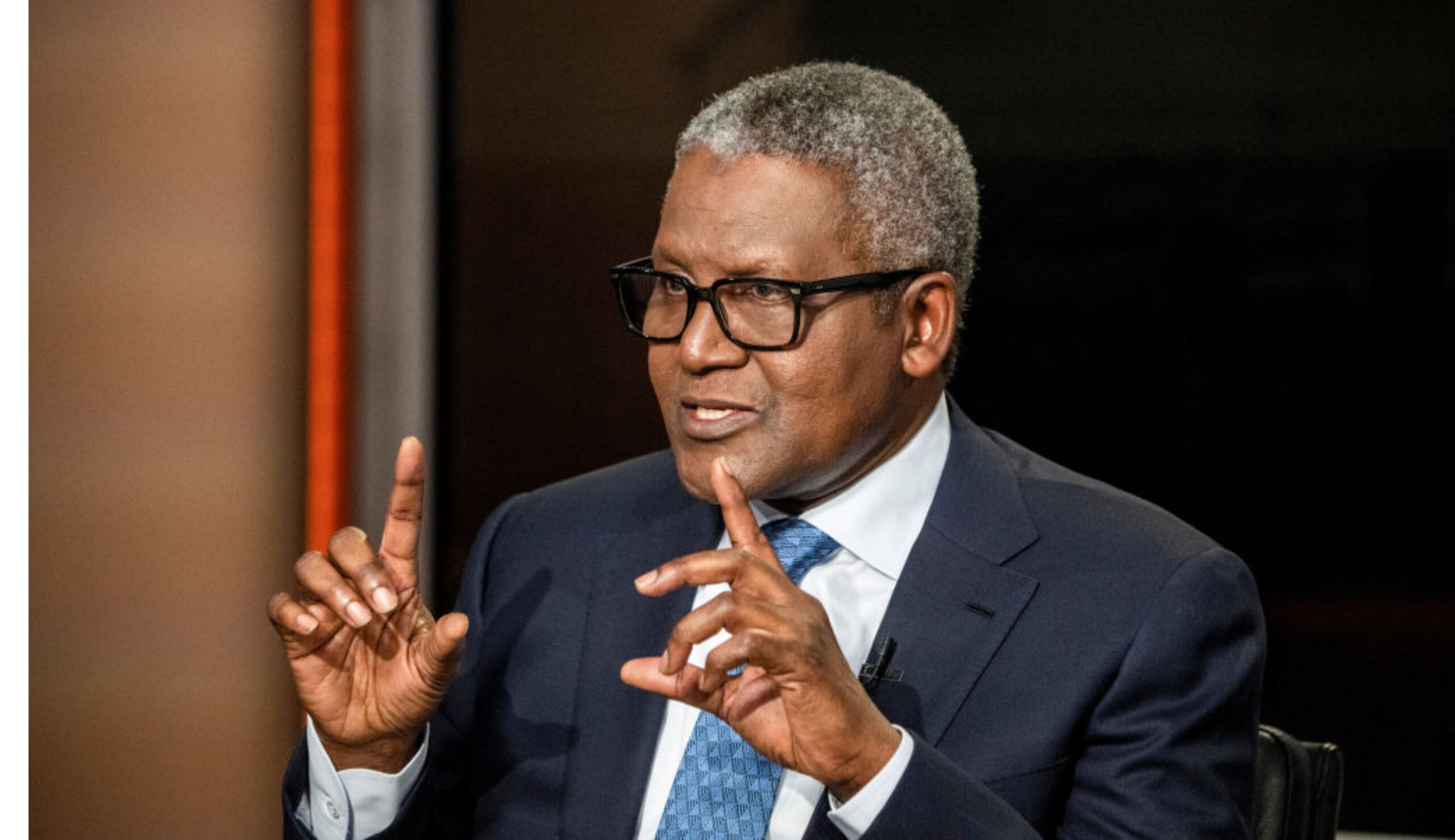
Nigerian industrialist Aliko Dangote is exploring an opportunity to process 500,000 metric tonnes of Ghana’s cocoa, a proposal that could bring significant investment into an industry the government wants to transform.
Finance Minister Dr Cassiel Ato Forson disclosed on Thursday, November 12, 2026, that Dangote had approached the government about using Ghana as a cocoa-processing hub. Discussions are underway over a proposed contract, although no agreement has been signed.
Speaking in an interview after presenting the 2027 Budget to Parliament, Dr Forson said the government was examining the terms.
“Dangote has reached out to use Ghana as a hub to process cocoa locally,” he said.
The minister added that the prospective investor wanted to sign a contract, but did not provide details about the proposed investment, its duration or where the processing would take place.
The development comes as Ghana seeks to move beyond exporting raw cocoa beans and retain more of the industry’s value through domestic processing and manufacturing.
But what would Dangote bring to an industry that already has processing factories, and how could his involvement benefit Ghana?
1. Investment and Industrial Expansion
Processing cocoa on a large scale requires substantial investment in machinery, storage, electricity, quality control and logistics.
Dangote’s involvement could bring capital and industrial expertise to expand Ghana’s processing operations. Depending on the terms, this might involve establishing new facilities, upgrading existing factories or partnering with local processors.
The resulting output could include cocoa liquor, butter, cake and powder, which are used in the production of chocolate, confectionery, cosmetics and other consumer goods.
Processing more of these products in Ghana would allow the country to retain a greater share of the value generated from its cocoa.
However, the government has not disclosed whether Dangote intends to build a new factory or use existing infrastructure. That will be an important consideration in assessing the scale of his proposed investment.
2. Ghana Has Processing Factories, But They Are Not Operating at Full Capacity
One of the biggest questions surrounding Dangote’s interest is what additional value he would bring to Ghana’s existing cocoa-processing industry.
A December 2025 report by the United States Department of Agriculture’s Foreign Agricultural Service estimated Ghana’s installed cocoa-processing capacity at 504,780 metric tonnes.
Despite that capacity, local processors were reportedly operating at 50% or below, largely because of insufficient and inconsistent supplies of cocoa beans.
The report estimated domestic cocoa grindings at 220,000 metric tonnes for the 2024/2025 market year and projected an increase to 300,000 tonnes for 2025/2026.
The figures highlight a problem that investment in additional factories alone may not resolve.
If existing processors cannot consistently secure enough beans, a new operation will also need a reliable supply arrangement to remain commercially viable.
The government must therefore establish whether Dangote’s proposal will help address the industry’s supply constraints, improve the utilisation of existing facilities or introduce additional processing capacity.
It must also consider how the investment would affect companies already operating in the sector.
3. More Cocoa Products for Export and Local Manufacturing
Ghana exports cocoa beans as well as processed products such as cocoa butter, paste and powder. However, there is room to develop a stronger domestic industry for finished cocoa products.
Cocoa butter is used in chocolate and cosmetics, while cocoa powder serves the food and beverage industry. Cocoa liquor is an important ingredient in chocolate manufacturing.
Expanding production could strengthen Ghana’s position as a supplier of processed cocoa products and create opportunities for manufacturers that use these materials.
The USDA report also highlighted a gap in Ghana’s value-addition ambitions: only a minor fraction of the country’s processed cocoa output was being used locally in confectionery manufacturing.
That means increasing the volume of beans processed domestically is only part of the challenge. Ghana also needs more businesses capable of turning cocoa ingredients into finished products.
A large industrial investor could help strengthen this part of the value chain, particularly if the investment supports local manufacturing rather than concentrating solely on processing beans for export.
4. Jobs, Skills and Opportunities for Ghanaian Businesses
A major cocoa-processing operation could create jobs in manufacturing, engineering, quality control, packaging, warehousing, transport and distribution.
It could also generate business for Ghanaian companies supplying equipment, packaging materials, logistics and other services, complementing Ghana’s wider industrialisation plans.
The extent of these benefits will depend on how the investment is structured.
Ghana should seek commitments on local employment, training and the participation of domestic suppliers. Technology transfer would also help develop the skills needed to operate and maintain advanced processing equipment.
The objective should be to ensure that Ghanaian workers and businesses benefit from the investment, rather than limiting their involvement to a small part of the operation.
5. Can Dangote Help Ghana Achieve Its 2030 Target?
The proposed investment comes as the government pursues an ambitious target for domestic cocoa processing, forming part of Ghana’s broader economic transformation programme.
Presenting the 2027 Budget, Dr Forson said Ghana aims to process at least 50% of its cocoa locally by 2028 and increase that proportion to 100% by 2030.
He also disclosed that a new Cocoa Board Act before Parliament contained a mandatory local-processing requirement. A legislative instrument is expected to establish the timetable for achieving the target.
Dangote’s interest could support this ambition, but the proposed 500,000 tonnes needs to be put into perspective.
It is almost equivalent to Ghana’s entire installed cocoa-processing capacity of 504,780 metric tonnes, according to the USDA’s December 2025 report.
The minister did not clarify whether the 500,000 tonnes represents an annual processing commitment or the total volume to be handled over the duration of the proposed contract.
That distinction is critical. Without knowing the timeframe, it is difficult to determine how much the project would contribute to Ghana’s 2028 and 2030 targets.
6. What Ghana Must Secure From the Deal
The scale of the proposed contract makes the details particularly important. Before signing any agreement, the government must establish what Dangote is committing to invest and what Ghana will receive in return.
Several issues need clear answers:
- Processing facilities: Will Dangote build a new factory, upgrade existing facilities or partner with local processors?
- Cocoa supply: How will the proposed operation secure 500,000 tonnes without undermining the supply needs of existing Ghanaian processors?
- Investment commitment: How much capital will be invested in factories, machinery and supporting infrastructure?
- Local participation: What guarantees will there be for Ghanaian employment, skills development, technology transfer and local suppliers?
- Economic returns: How much value will Ghana retain through taxes, exports, manufacturing and other economic activity?
The government must also explain how the proposal fits into its wider cocoa-processing policy and whether existing processors will receive fair access to the beans they need.
The Bigger Opportunity for Ghana
Dangote’s interest presents an opportunity to attract large-scale industrial investment into Ghana’s cocoa sector. But the country should measure its success by more than the volume of beans processed.
Ghana already has substantial processing capacity, yet supply constraints have prevented factories from operating at full potential. Any new investment must help address that challenge while creating additional opportunities for local manufacturers and workers.
The government is still examining the proposed contract, so its financial and operational details remain unknown.
If the negotiations produce an agreement that strengthens existing businesses, attracts new investment and expands the production of higher-value cocoa products, Ghana could secure lasting benefits.
The real test will be whether the deal helps the country build a stronger cocoa industry, not simply process a larger quantity of beans.

