


For many households and businesses in Ghana, switching to solar energy makes sense in theory. The challenge is finding the money to pay for it.
Solar power can reduce dependence on the national electricity grid, but buying panels, batteries and the other equipment needed for a working system requires a sizeable upfront investment. For small businesses already dealing with rising operating costs, that expense can be difficult to justify.
The government wants to bring some of those costs down.
Presenting the 2027 Budget to Parliament on November 12, Finance Minister Dr Cassiel Ato Forson announced plans to exempt imported solar panels and batteries from import duties and Value Added Tax (VAT).
The proposal is intended to encourage more households, farmers and businesses to invest in solar energy. It also forms part of the government’s broader push to support its 24-Hour Economy Programme.
The solar proposal is one of several economic initiatives announced by the government as it pursues a wider transformation agenda. Ghana’s US$10 billion economic transformation plan outlines some of the major projects expected to reshape the economy by 2030.
But how much difference could the measure make? Could solar equipment become cheaper, will households spend less on electricity, and what might it mean for businesses that depend on a reliable power supply?
What Exactly Is the Government Proposing?
Under the proposal announced in the 2027 Budget, imported solar panels and batteries would be exempt from import duties and VAT.
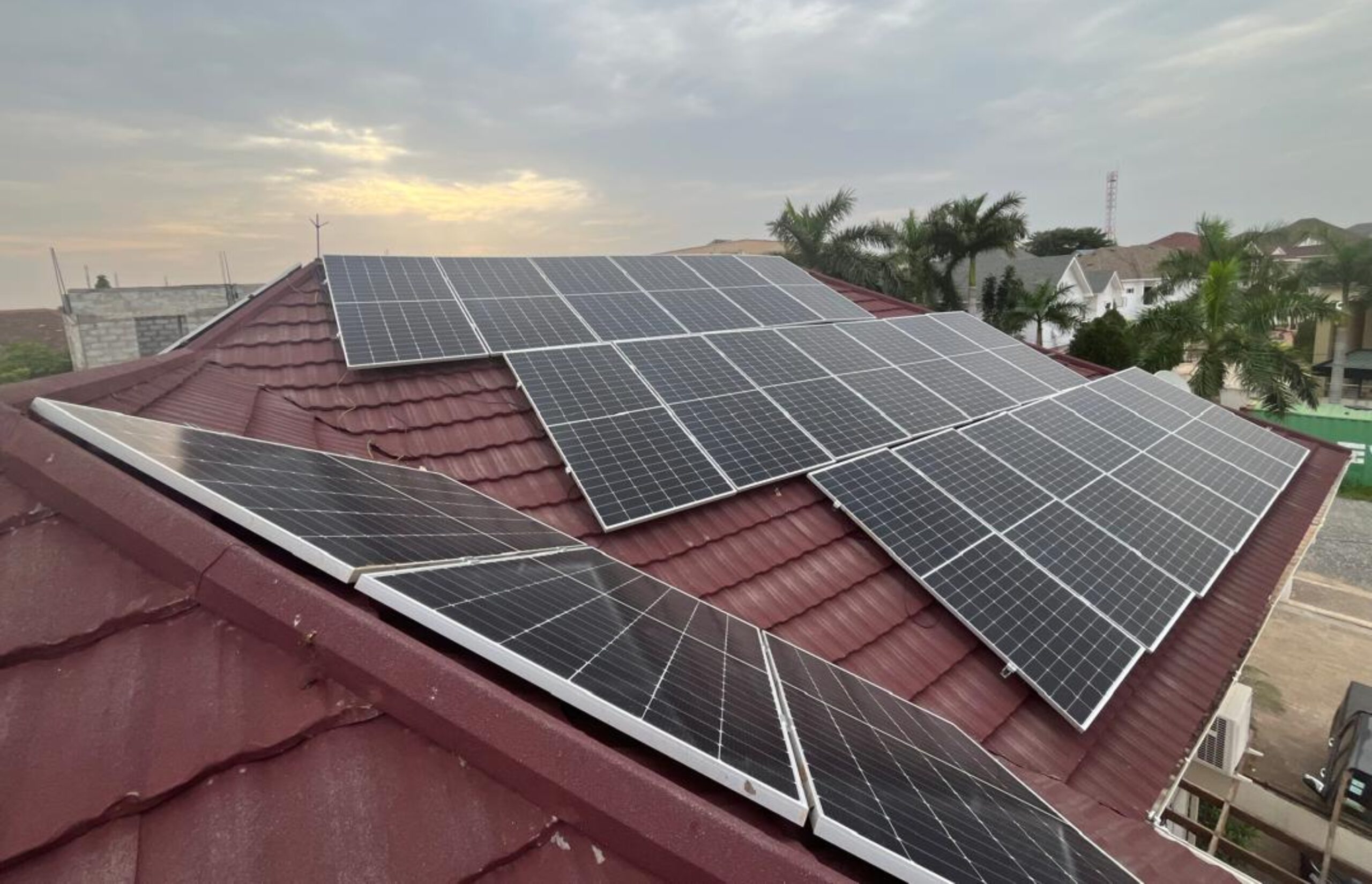
The two are central components of a solar energy system. Panels capture sunlight and convert it into electricity, while batteries store the energy for use at night or when sunlight is limited.
Dr Forson linked the proposed tax relief to the government’s 24-Hour Economy Programme, which aims to encourage businesses and industries to operate for longer periods.
“Energy security is economic security. When a trader can keep her shop running, a farmer can power his irrigation, and a young entrepreneur can work through the night, our economy grows, and our people prosper,” he told Parliament.
The argument is straightforward: businesses need dependable electricity to operate for longer hours. Making solar equipment more affordable could give them another way to meet their energy needs, particularly where grid supply is unreliable or expensive.
Will Solar Panels and Batteries Become Cheaper?
The immediate question for anyone considering a solar installation is whether the proposal will reduce the price they have to pay.
Removing import duties and VAT should lower the cost of importing qualifying solar panels and batteries. If importers and distributors pass those savings on, consumers could eventually pay less.
However, the government has not provided figures showing how much prices could fall. The actual reduction will depend on the taxes currently applicable, the value of imported equipment, exchange rates, shipping costs and the margins charged by distributors.
There is also a distinction between buying panels and batteries and paying for a complete solar installation.
A functioning system may require an inverter, mounting structures, wiring, protection equipment and professional installation. The Budget specifically mentions solar panels and batteries but does not set out how these other components will be treated.
If they remain subject to existing taxes and charges, the overall cost of installing solar could still be substantial, even if the main equipment becomes cheaper.
That is why the details of the exemption matter. A reduction in the import cost of two major components does not automatically translate into an equally large reduction in the price of a complete system.
What Could It Mean for Households and Electricity Bills?
For households, one of the biggest attractions of solar energy is the possibility of spending less on electricity from the national grid.
A properly sized system can generate power during the day, while batteries store electricity for use at night. Families that generate a significant portion of their own power could reduce the amount they buy from the Electricity Company of Ghana (ECG).
But the proposed tax exemption should not be confused with a reduction in ECG electricity tariffs. It does not mean the utility will automatically lower its charges.
Instead, the potential saving would come from households generating some of their own electricity rather than relying entirely on the national grid.
How much a family could save would depend on its electricity consumption, the size and cost of the solar installation, and how much grid electricity the system can replace.
A household with modest electricity needs may manage with a smaller system. A family that regularly uses air conditioners, refrigerators and other power-hungry appliances will need greater generating capacity and probably more battery storage.
The proposed relief could make the initial investment more attractive, but households would still need to consider whether the installation cost is affordable and how long it might take for reduced electricity bills to offset that expense.
Why Small Businesses Could Benefit
For many small businesses, electricity is not just another monthly bill. It is essential to keeping the business running.
Cold stores need power to preserve food. Restaurants depend on refrigerators and other electrical equipment. Salons, printing shops and retail outlets also need a reliable supply to serve customers.
Some businesses turn to generators when grid electricity is unavailable, adding fuel and maintenance costs to their operating expenses.
If solar equipment becomes cheaper, these businesses could have a more affordable alternative.
A cold-store operator, for instance, could use solar power to keep refrigeration equipment running, while a salon could reduce its dependence on grid electricity during working hours. Businesses that operate into the evening could also use battery storage to maintain power after sunset.
The benefits could extend to larger industrial operations as well. Companies looking to expand manufacturing and processing need a dependable electricity supply to keep production running and manage operating costs. This is particularly relevant to proposals such as Dangote’s plan to process 500,000 tonnes of Ghana’s cocoa locally, which could require significant investment in processing capacity and supporting infrastructure.
The savings would vary from one business to another. They would depend on electricity consumption, the capacity of the system installed, maintenance costs and the amount of grid electricity or generator fuel it replaces.
There is also the question of financing. Even if the price of equipment falls, a small business may not have enough cash to pay for a complete installation. Access to affordable loans or other financing arrangements could therefore determine how many businesses are actually able to take advantage of the relief.
What About Farmers, Schools and Healthcare Facilities?
The proposal could also make solar power more accessible to institutions and people whose work depends on a reliable electricity supply.
Farmers could use solar-powered pumps to support irrigation, particularly in areas where access to reliable electricity is limited. This could reduce their dependence on conventional power sources for agricultural activities.
Schools could use solar systems to power classrooms and computer laboratories, while healthcare facilities could rely on battery storage to keep essential equipment running during power interruptions.
For these institutions, reliable electricity can make a significant difference to the services they provide.
However, cheaper panels and batteries will not remove every financial barrier. Some farmers, schools and smaller healthcare facilities may still struggle to pay for installation, maintenance and the other equipment required.
If the government wants the relief to reach beyond individuals and institutions that can already afford solar technology, access to financing will be important. Affordable credit, targeted support or partnerships with renewable energy providers could help more potential users make the switch.
Could Ghana’s Solar Industry Also Benefit?
The proposal could create opportunities for Ghanaian businesses operating in the renewable energy sector.
If lower equipment costs encourage more households, businesses and institutions to adopt solar, demand could increase for importers, distributors, installation companies, technicians and maintenance providers.
Local businesses involved in supplying and installing solar systems could attract more customers. Increased demand could also encourage new companies to enter the market and create opportunities for people with technical skills.
But the extent of that growth will depend partly on the final rules governing the exemption.
The Budget identifies solar panels and batteries for the proposed relief but does not provide detailed technical specifications or explain how other components of a complete installation will be treated.
For businesses, that uncertainty makes it difficult to calculate the full cost savings and plan their imports, pricing and investments. Clear guidelines will be needed so that importers, installers and consumers understand exactly which products qualify.
When Will the Tax Exemption Take Effect?
Although Dr Forson announced the measure in the 2027 Budget, the announcement does not specify when the exemption will begin.
It also does not provide detailed eligibility requirements, including the battery specifications that will qualify.
The government will need to provide further details on the implementation process, the products covered and how importers can access the relief.
Until those arrangements are clarified and the exemption takes effect, consumers should not assume that solar panels and batteries are already entering the country tax-free under the proposed measure.
Will the Proposal Make Solar Energy More Accessible to Ghanaians?
The proposed tax relief could reduce the cost of importing two important components of a solar energy system. That could make solar a more realistic option for households, businesses, farmers and public institutions that have previously found the initial investment too expensive.
But the announcement alone does not guarantee that solar energy will become affordable for everyone.
Three things will matter: how much the exemption reduces import costs, whether those savings are passed on to consumers, and how much people must still pay for the other equipment and services needed to install a working system.
Access to financing will matter too. A household or small business may benefit from lower equipment prices but still be unable to afford the upfront cost.
Ghana has abundant sunshine, but making greater use of it requires more than removing taxes on imported equipment. The exemption must translate into real savings, and those savings must reach the people and businesses the policy is intended to help.
The proposal is a potentially important step. Its real value, however, will be measured not by the announcement in Parliament but by whether Ghanaians eventually find it cheaper and easier to power their homes and businesses with solar energy.

