


The first batch of 1,000 National Service Personnel selected for a military orientation programme will begin a four-week training exercise on November 30, 2026, at the Battle Training Camp in Bundase.
The initiative, being implemented by the National Service Authority (NSA) in collaboration with the Ghana Armed Forces, is intended to develop discipline, patriotism, leadership and a stronger sense of responsibility among young people.
The first group is expected to complete the programme on December 30, while a second batch is scheduled to begin training on January 10 and finish on February 5, 2027.
Deputy Director-General of the NSA in charge of Programmes and Operations, Lieutenant Colonel Moses Dok Nach Kpeungu, disclosed further details about the exercise during an interview on Metro TV’s Good Afternoon Ghana on Tuesday, November 24.
What Will the Training Involve?
According to Lt. Col. Kpeungu, the programme is designed to introduce participants to military discipline and values that can improve their conduct in workplaces and communities.
He identified time management, self-discipline and responsible behaviour as some of the qualities the exercise is expected to promote.
The training is not intended to turn National Service Personnel into military officers.
“We are not training them to become military personnel. Far from that. It is geared towards society and the community. What society can benefit from them,” he explained.
The NSA official said the programme was partly intended to address workplace challenges such as lateness and failure by some employees to meet expected standards.
The Authority has not, however, publicly outlined a detailed daily training timetable or confirmed the full list of activities participants will undertake.
Is Participation Compulsory?
The first phase of the programme is voluntary.
Lt. Col. Kpeungu said the initial exercise was being conducted on a voluntary basis, in line with President John Mahama’s announcement.
However, he indicated that subsequent phases were expected to become mandatory.
This means the first group of 1,000 participants should not be taken as evidence that every National Service Personnel is currently required to undergo military training.
The distinction is important as the programme develops and the NSA provides further information about its future implementation.
Does the Training Offer a Route Into the Military?
The programme could also provide an advantage to participants interested in pursuing a military career.
National Service Authority Director-General Ruth Dela Seddoh previously indicated that personnel who successfully complete the training could receive priority consideration when future recruitment opportunities arise in the Ghana Armed Forces.
However, completing the programme does not automatically qualify anyone to become a soldier or guarantee enlistment.
Participants interested in joining the military would still have to satisfy the Armed Forces’ recruitment requirements and go through the appropriate selection process.
The distinction is important: the initiative is primarily a national orientation programme, not a direct military recruitment exercise.
Where Will Participants Report?
The first batch will undergo training at the Battle Training Camp in Bundase.
Lt. Col. Kpeungu said participants would assemble at the El-Wak Sports Stadium before being transported to the training facility.
He also confirmed that the selected personnel had completed medical examinations in accordance with the Ghana Armed Forces’ medical requirements.
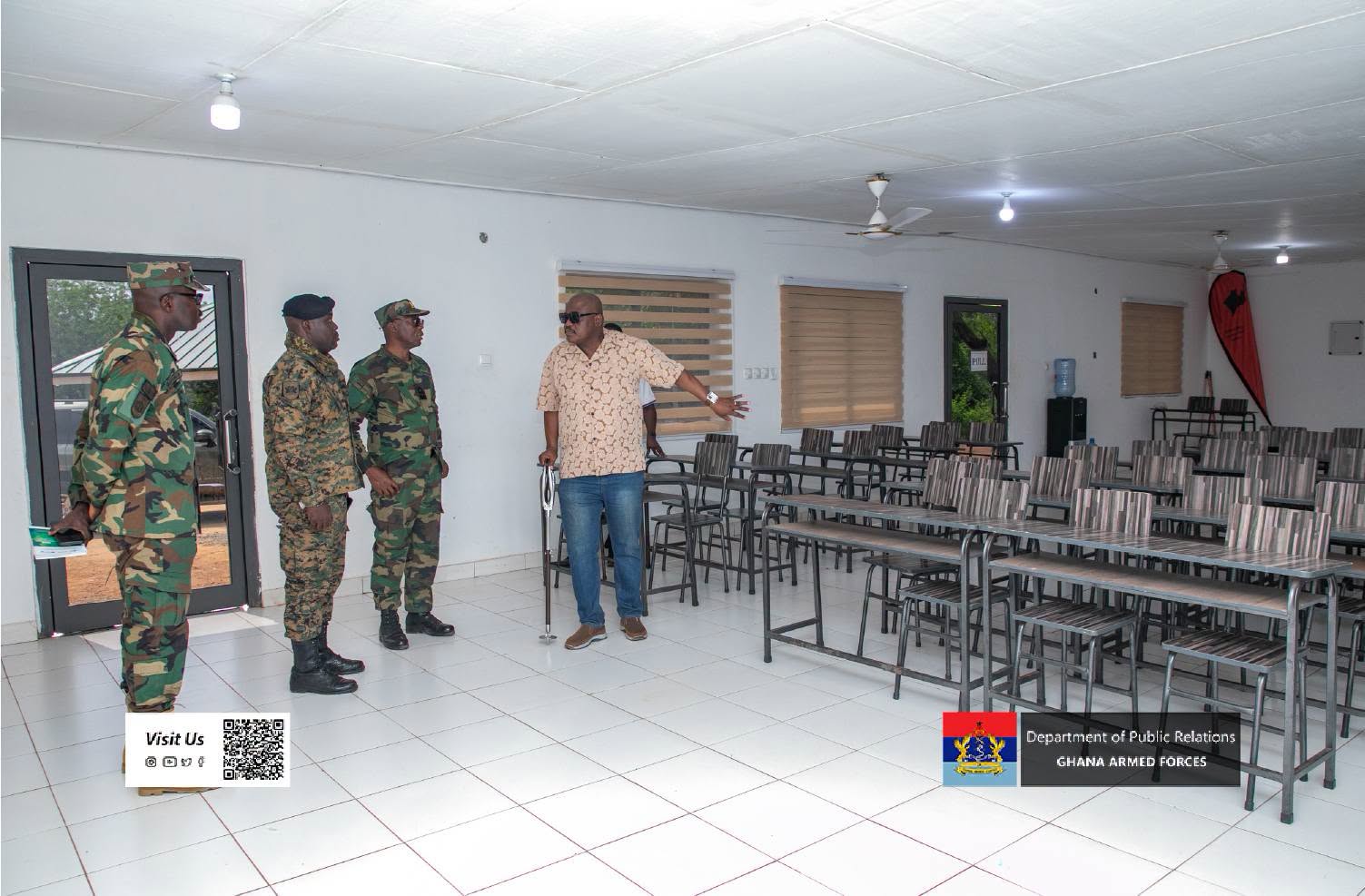
The Chief of the Defence Staff, Lieutenant General William Agyapong, visited the camp on November 21 to assess its readiness, including accommodation, training facilities and logistical arrangements.
Course Director Colonel Francis Bannerman said the necessary equipment and facilities had been put in place for the exercise.
Why Is the Government Introducing the Programme?
The government says the initiative is intended to equip young people with values and skills that can contribute to national development.
Beyond the military orientation, the programme is expected to encourage teamwork, leadership, patriotism and a stronger sense of national responsibility.
The NSA has also presented it as an opportunity to promote workplace discipline and improve the attitude of young people towards their responsibilities.
Whether the programme achieves these objectives will depend on its implementation, the quality of the training and how participants apply the lessons afterwards.
For now, the first batch of 1,000 National Service Personnel is expected to begin the exercise on November 30, with the NSA indicating that the initiative could eventually be extended to more personnel.

